

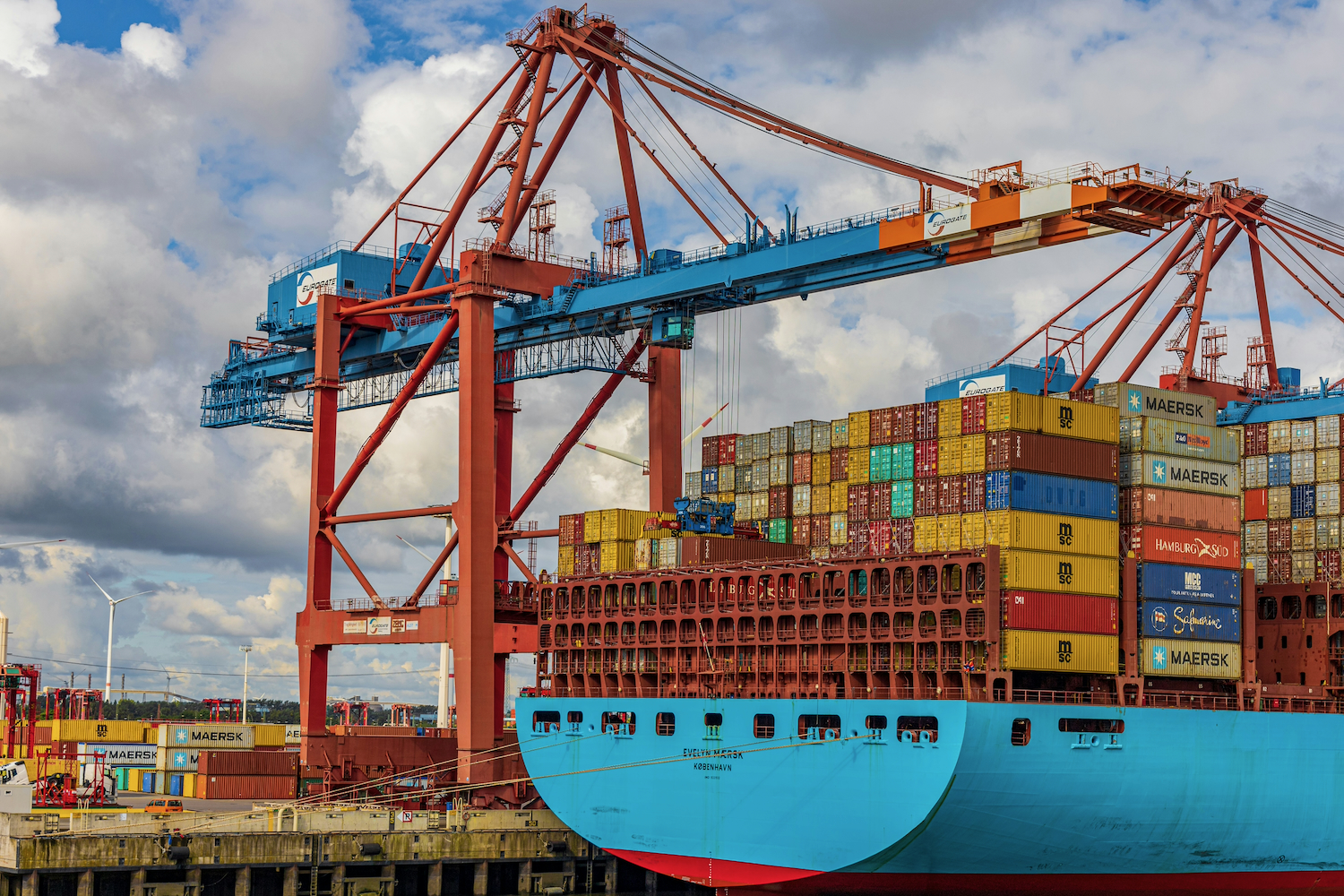


The maritime industry is experiencing a significant technological transformation with the emergence of Port 4.0. This new paradigm represents the integration of cutting-edge digital technologies into port operations, creating more efficient, sustainable, and competitive facilities worldwide.
With sea freight forwarders playing a crucial role in global trade, these technological advancements are reshaping how goods move through our ports and across oceans.
Key Takeaways
- Smart ports leverage IoT, AI, and automation to optimise operations and reduce costs
- IoT sensors and connected devices enable real-time monitoring and decision-making in port environments
- While offering numerous benefits, smart port implementation faces challenges including cybersecurity risks and high initial investment requirements
- The future of maritime logistics lies in further technological integration and data-driven operations
The Concept of Smart Ports
Evolution from Traditional to Smart Ports
Traditional ports have historically relied on manual processes and fragmented information systems. The evolution toward smart ports has been gradual but transformative. Port 4.0 represents the fourth industrial revolution applied to maritime infrastructure, where physical systems seamlessly integrate with digital technologies. This evolution has progressed from basic computerisation to today’s interconnected, data-driven ecosystems.
Key Technological Advancements Driving Smart Ports
Several technologies form the backbone of modern smart ports:
- Artificial Intelligence and machine learning for predictive analytics
- Blockchain for secure documentation and tracking
- Cloud computing for data storage and processing
- 5G networks enabling high-speed, low-latency communications
- Autonomous vehicles and equipment
Role of Internet of Things in Ports
How IoT Enhances Port Efficiency
The Internet of Things serves as the nervous system of smart ports, creating a network of connected devices that collect and share data. These systems enable ports to monitor assets, track cargo, and optimise operations in real-time. IoT technology creates a digital twin of the physical port, allowing administrators to visualise and manage complex processes with unprecedented clarity.
“The integration of IoT in port operations doesn’t just improve efficiency – it fundamentally transforms how we conceptualise maritime logistics in the digital age.”
IoT Applications in Port Operations
Practical applications of IoT in ports include container tracking systems that provide real-time location data, environmental sensors monitoring air and water quality, and equipment sensors that enable predictive maintenance. These systems reduce delays, prevent equipment failures, and improve resource allocation across the port environment.
Benefits of Implementing Smart Ports
Improved Logistics and Supply Chain Management
Smart ports facilitate seamless integration with broader supply chain networks. Enhanced visibility allows for better coordination between shipping companies, trucking operations, and rail transport. This integration reduces waiting times, improves berth allocation, and optimises container handling – ultimately accelerating the movement of goods through the supply chain.
Cost Reduction and Energy Efficiency
By optimising resource utilisation and reducing idle time, smart ports significantly lower operational costs. Energy management systems monitor and adjust consumption in real-time, while automated equipment operates with greater precision and efficiency than manual alternatives. These improvements translate to lower costs for port operators and potentially reduced fees for shipping companies.
Enhancing Safety and Security
Smart technologies dramatically improve safety conditions in port environments. Sensors detect potential hazards, while automated systems reduce human exposure to dangerous situations. From a security perspective, advanced monitoring systems, including CCTV with AI capabilities, help identify suspicious activities and prevent unauthorised access to sensitive areas.
Challenges Faced by Smart Ports
Cybersecurity Concerns
The increased connectivity in smart ports creates new vulnerabilities. Cyberattacks targeting port infrastructure could disrupt operations, compromise sensitive data, or even threaten physical safety. Implementing robust cybersecurity frameworks is essential for protecting these critical facilities, requiring continuous updates and vigilance against evolving threats.
High Initial Investment
The transition to smart port infrastructure demands substantial capital investment. While the long-term benefits are clear, the initial costs of sensors, networks, software systems, and workforce training can be prohibitive, especially for smaller ports or those in developing regions. This financial barrier remains one of the primary obstacles to widespread adoption of Port 4.0 technologies.
Smart Port Technology in Action
In the competitive maritime logistics landscape, forward-thinking companies are leading the technology integration charge. While serving a crucial role in global supply chains, organisations like WWCF exist within this ecosystem, facilitating the movement of goods through increasingly sophisticated port environments. These stakeholders benefit from the enhanced efficiencies and capabilities that smart port technologies deliver.
The Future of Ports in the Context of Smart Technologies
Emerging Trends in Port Technology
The next wave of innovation in port technology includes autonomous ships interfacing with automated ports, creating end-to-end autonomous maritime logistics systems. Advanced data analytics will continue to refine operations, while augmented reality applications will assist maintenance and training. Sustainable technologies, including renewable energy systems and electric equipment, will further reduce the environmental impact of port operations.
Projects and Innovations on the Horizon
Exciting developments include ports experimenting with hydrogen fuel infrastructure, underwater drone systems for hull inspection and maintenance, and increasingly sophisticated autonomous vehicle fleets. These innovations represent not just incremental improvements but potentially revolutionary changes to how ports function within global trade networks.
Conclusion
Smart ports and IoT integration represent a fundamental shift in maritime logistics, offering unprecedented opportunities for efficiency, sustainability, and competitiveness. As digital technologies continue to mature, the ports that embrace these changes stand to gain significant advantages in the global marketplace. For companies like WWCF and their clients, this technological revolution opens new possibilities for streamlined operations and enhanced service delivery. The future of maritime logistics is digital, connected, and intelligent – and that future is already taking shape in ports around the world.
