


Apple’s new iPhone Air is the first smartphone to be shipped globally with eSIM compatibility only. Is this beginning of the end for physical SIM cards?
The new iPhone Air has no slot for a physical SIM card so if you are planning to buy it and you’ve got a physical SIM card you’ll need to convert it to an eSIM.
An eSIM is basically a built-in chip that can be imprinted with the information your SIM card holds and identify you on the cellular network.
SIM stands for Subscriber Identification Module so when people dial your number the call is routed to your device.
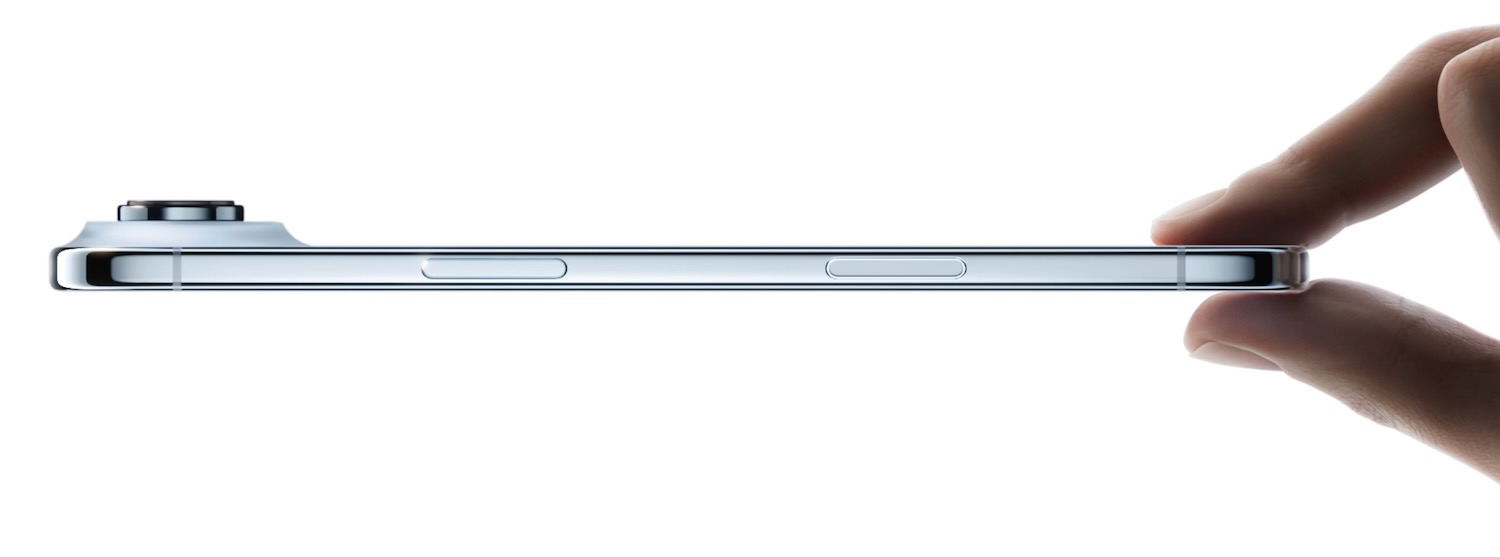
iPhone Air is the first flagship smartphone to be released worldwide that is eSIM only.
We can understand Apple wanted to save every possibly bit of space to achieve the super slim 5.6mm dimensions of the device.
For reference, the Samsung Galaxy S25 Edge released a few months ago DID have a SIM card slot and it was 5.8mm thick.
Apple is the only company brave enough to make this move of removing the SIM card slot and only offering eSIM.
In fact, Apple has been supporting eSIM since 2018 and has been selling eSIM only iPhones in the US for three years.
The iPhone 14, iPhone 15 and iPhone 16 sold in the US do not have SIM card slots. Neither will the iPhone 17 and any other iPhone sold in the US moving forward.
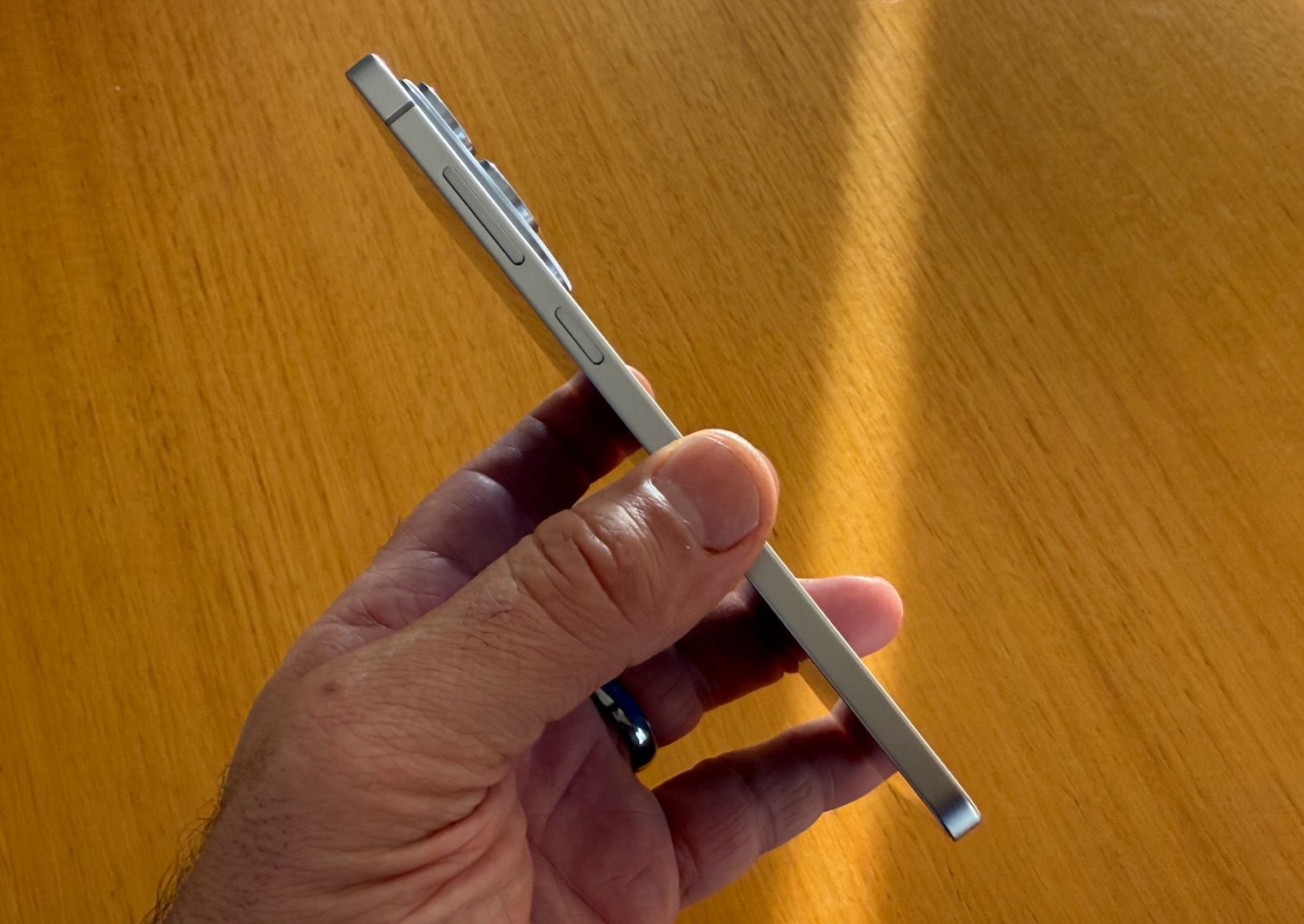
The iPhone 17 and iPhone 17 Pro models sold outside the US will still have SIM card slots.
But the iPhone Air will not.
We suspect this is Apple’s first move in removing the SIM card slot and going eSIM only for the entire iPhone range.
Apple did a similar thing in 2016 when it removed the headphone jack from the iPhone 7.
Coincidentally, at the same time (it was actually the same iPhone 7 launch event) Apple launched the first wireless AirPods.
The upside for Apple getting rid of the SIM card slot and moving purely to an eSIM would be a saving on production costs.
They could manufacture the same smartphone for the entire world instead of having separate lines or factories for the different versions of the device for different countries and regions.
We think it’s only a matter of time before the plastic SIM card goes the way of the headphone jack.
It could be as early as the iPhone 18 launch when Apple decides it all eSIMs across the board.
The iPhone Air will serve as a test balloon to see if the absence of a plastic SIM card is a dealbreaker for some customers.
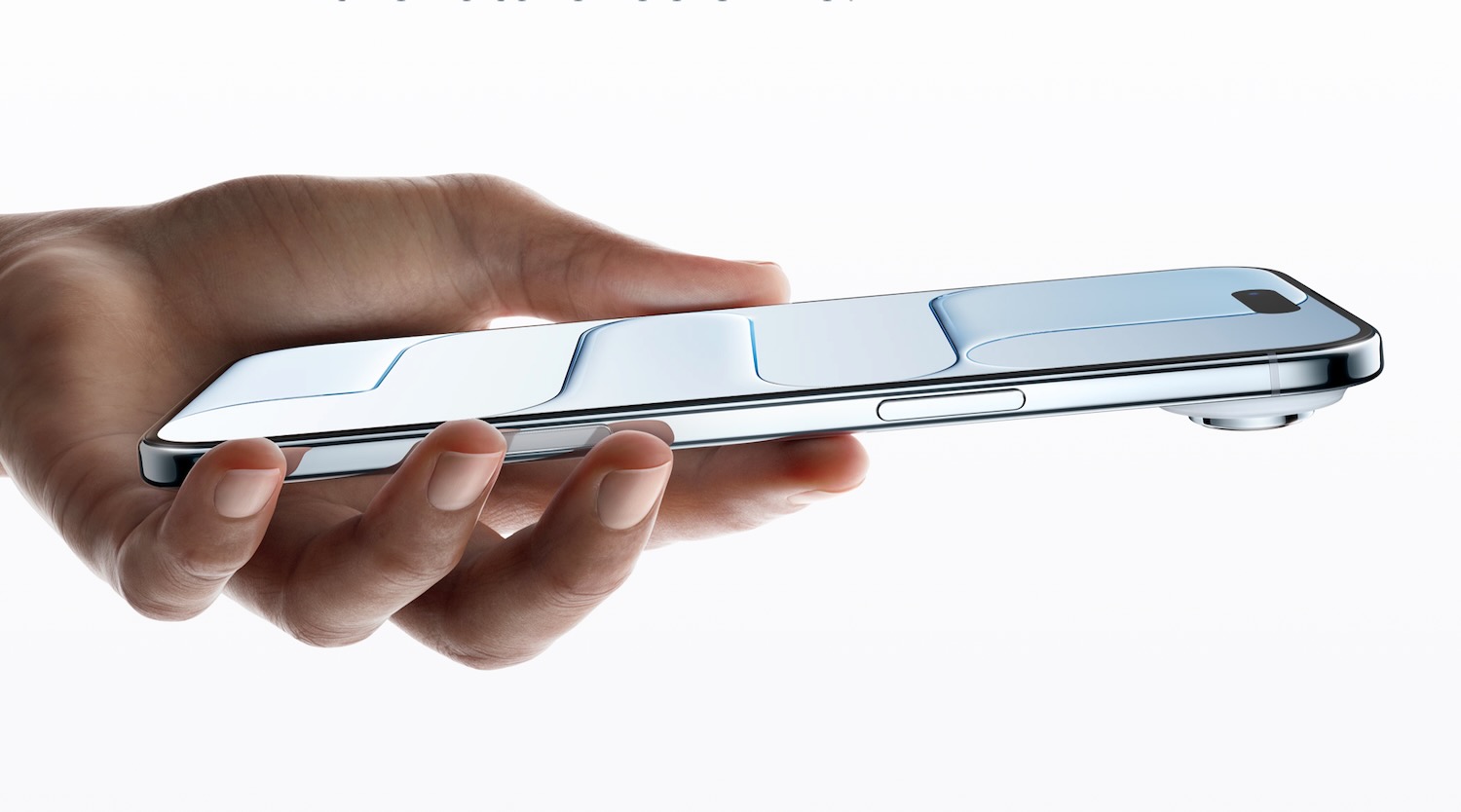
eSIM adoption is growing and is changing the way we are connecting.
There a lot of customers getting their first experience with eSIMs when they travel.
A lot of Tech Guide readers have travelled overseas with their own number on the SIM card and their travel connection on the eSIM.
eSIMs certainly offer more flexibility for customers and will make switching between telcos easier and faster.
And we already know how much easier it makes things for travellers.
It’s not much different than installing an app.
It usually involves scanning a QR code or going through a carrier’s app.
And if you already have an eSIM on your phone it is easy to transfer it to a new smartphone.
If indeed Apple does drop SIM cards from its iPhone, Samsung would likely follow suit just like it did with dropping the headphone jack after Appl ditched it with the iPhone 7.
You’d struggle to find a headphone jack on any smartphone nowadays.
In a few short years we’ll be saying the same thing about SIM cards.
