

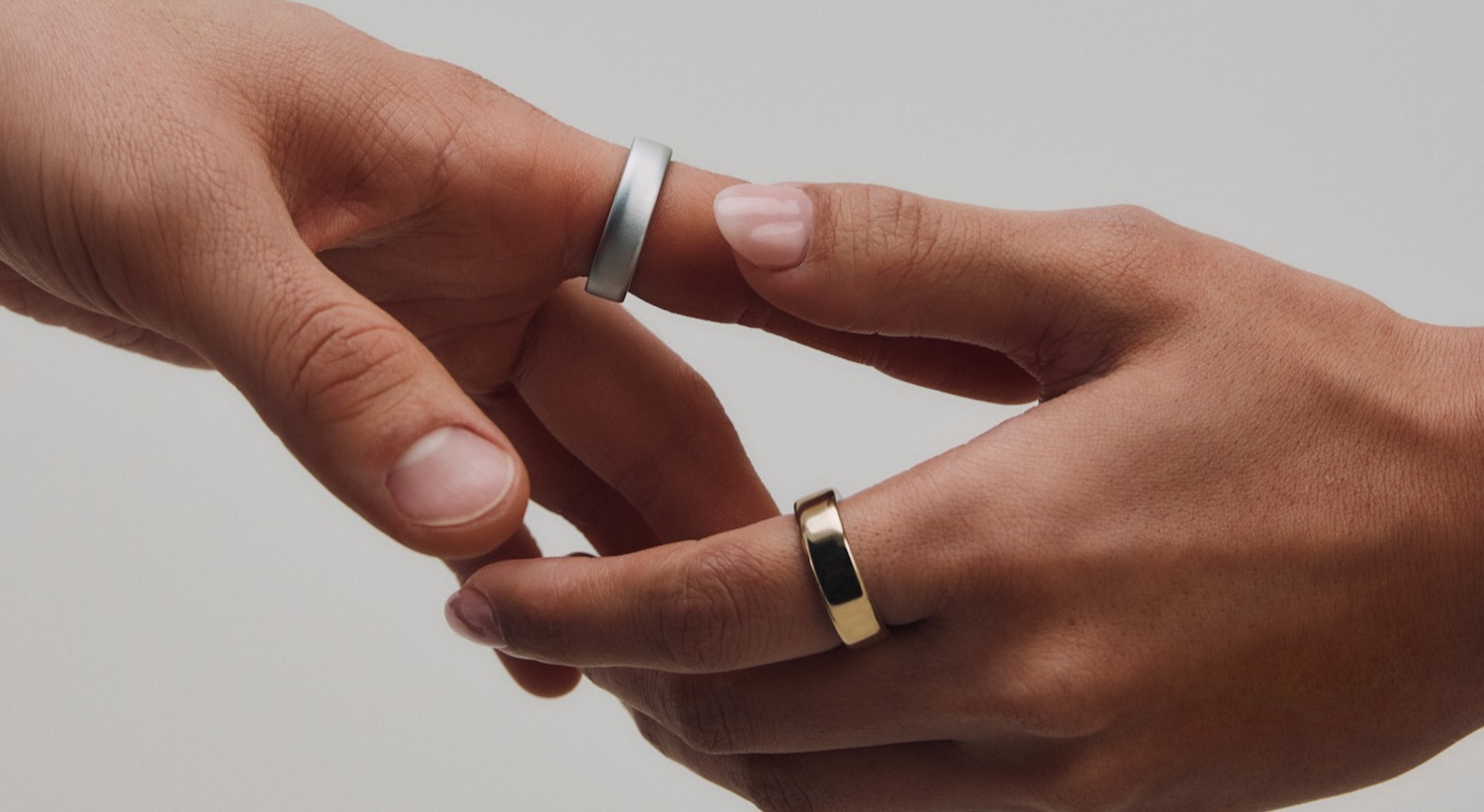


Smart ring manufacturer Oura is facing a lawsuit by American customers over the accuracy of the device’s sleep tracking features.
Filed in San Francisco, the class action will allege the Oura smart ring was unable to accurately measure the signals to determine sleep quality or sleep stages.
It will be alleged the Oura rings lack the physical sensors required to directly measure brain activity and rapid eye movement that define the various sleep stages despite being marketed as being “built for accuracy”.
The complaint alleges the rings required AI-generated estimates that have a “coin flip’s chance of being correct”.
The full complaint reads: “To capitalize on consumers’ desire for a tracker that could actually track sleep and monitor their sleep cycles, Oura sold expensive tracking rings, priced at $300 and up, advertising exactly that: that Oura rings are capable of seeing what only a hospital sleep lab can see, including the four different stages of sleep.
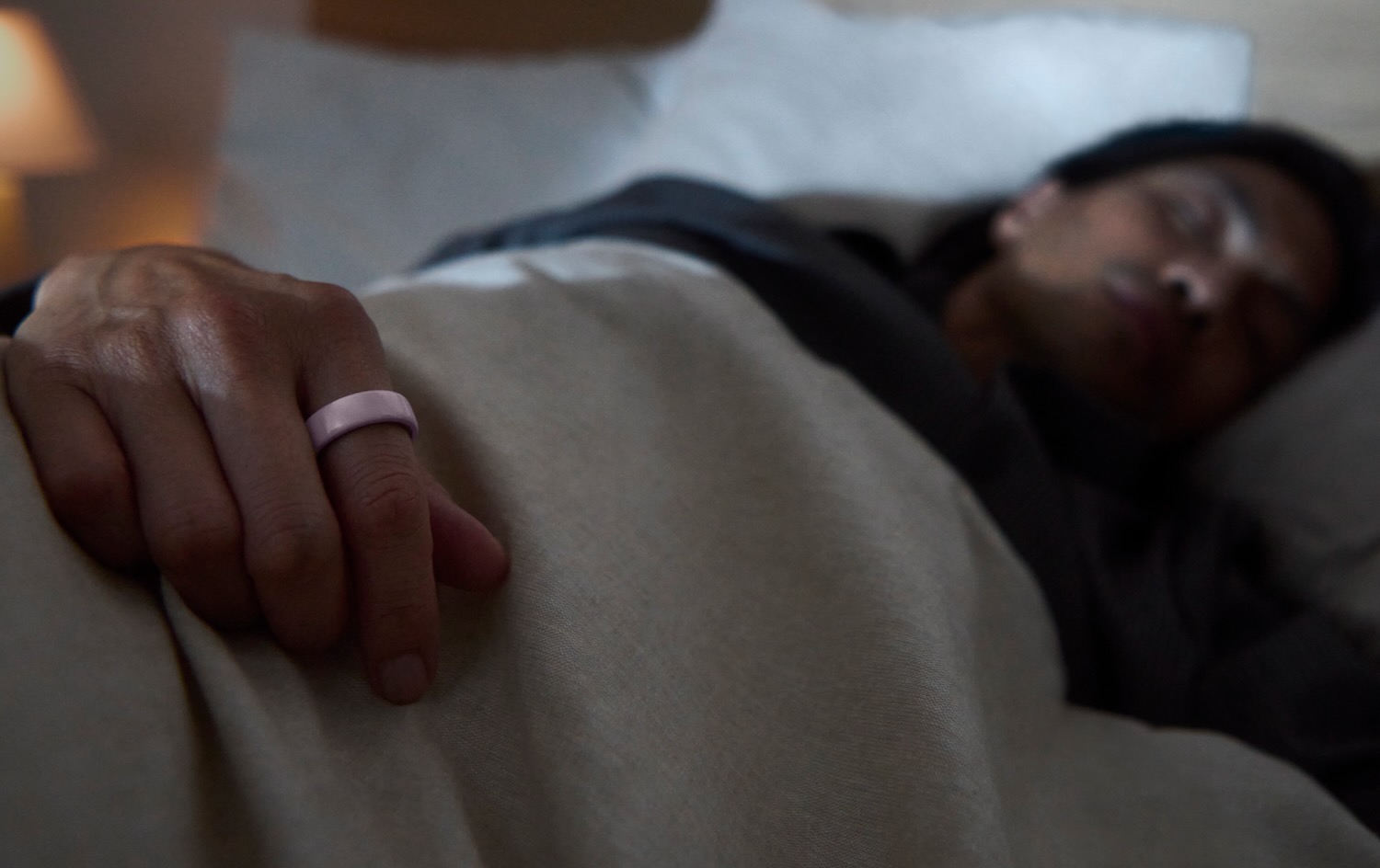
“Oura did not just claim to measure a heartbeat or a temperature, but the exact stage of sleep the wearer is in—which in reality requires electrodes in the scalp and sensors on the eyes, as only a hospital or other clinical setting can do.”
The complaint is being filed to stop Oura making false claims about its wearable’s capabilities and to provide compensation for customers who purchased their products on the strength of these alleged false claims.
The lawsuit has been filed by Clarkson Law Firm in San Francisco.
Ryan Clarkson, co-founder and managing partner at Clarkson Law Firm said in an email press release: “When people rely on a device to guide decisions about their health, misinformation cannot be tolerated.
“Oura users trust that the numbers on their screen reflect reality. People structure their days, interpret the way they feel, and design their lives around inaccurate figures spit out by these devices.
“Marketing an inaccurate sleep tracker as precise and reliable is dangerous because people believe it – and change their behaviour accordingly.”

Oura responded with the following statement:
“We stand behind our science, research, and accuracy claims.
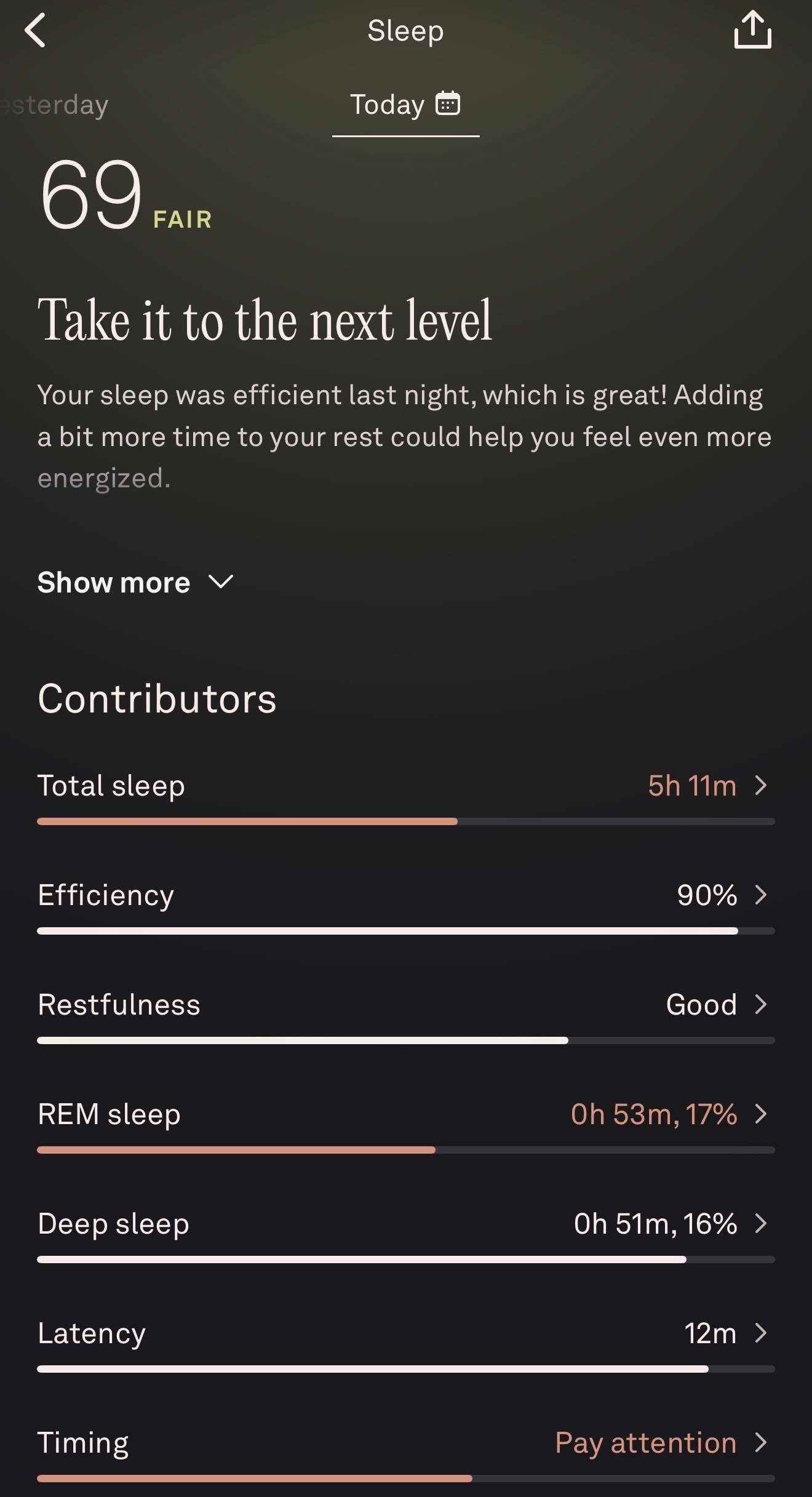
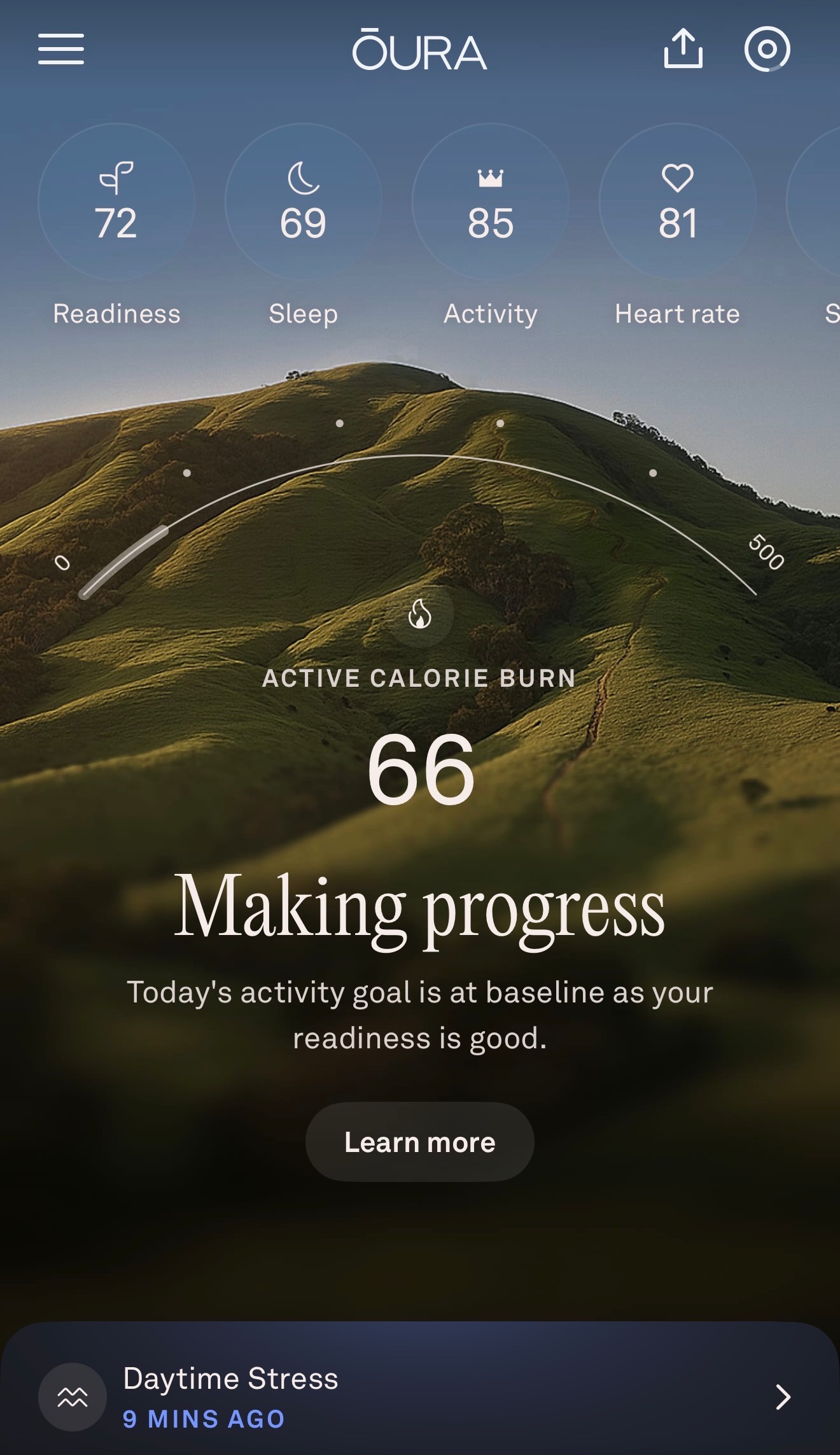
“Like other consumer sleep wearables, Oura Ring estimates sleep stages using multiple physiological signals, including heart rate, heart rate variability, movement, breathing patterns, and temperature.
“There is well-documented, peer-reviewed independent scientific evidence that sleep stages are associated with distinct, measurable, reproducible changes in physiology, which is why these signals are reliably used to classify sleep stages.
“While Oura Ring is not a medical device or a substitute for a clinical sleep study. “Oura’s sleep staging has been validated and compared favourably in multiple studies against polysomnography, the gold standard.
“Multiple third-party, independent studies support our claims of accuracy and we have transparently reported on the mechanisms and measures that inform Oura’s sleep staging.”
At this point there is no indication of a similar class action being launched in Australia.
