

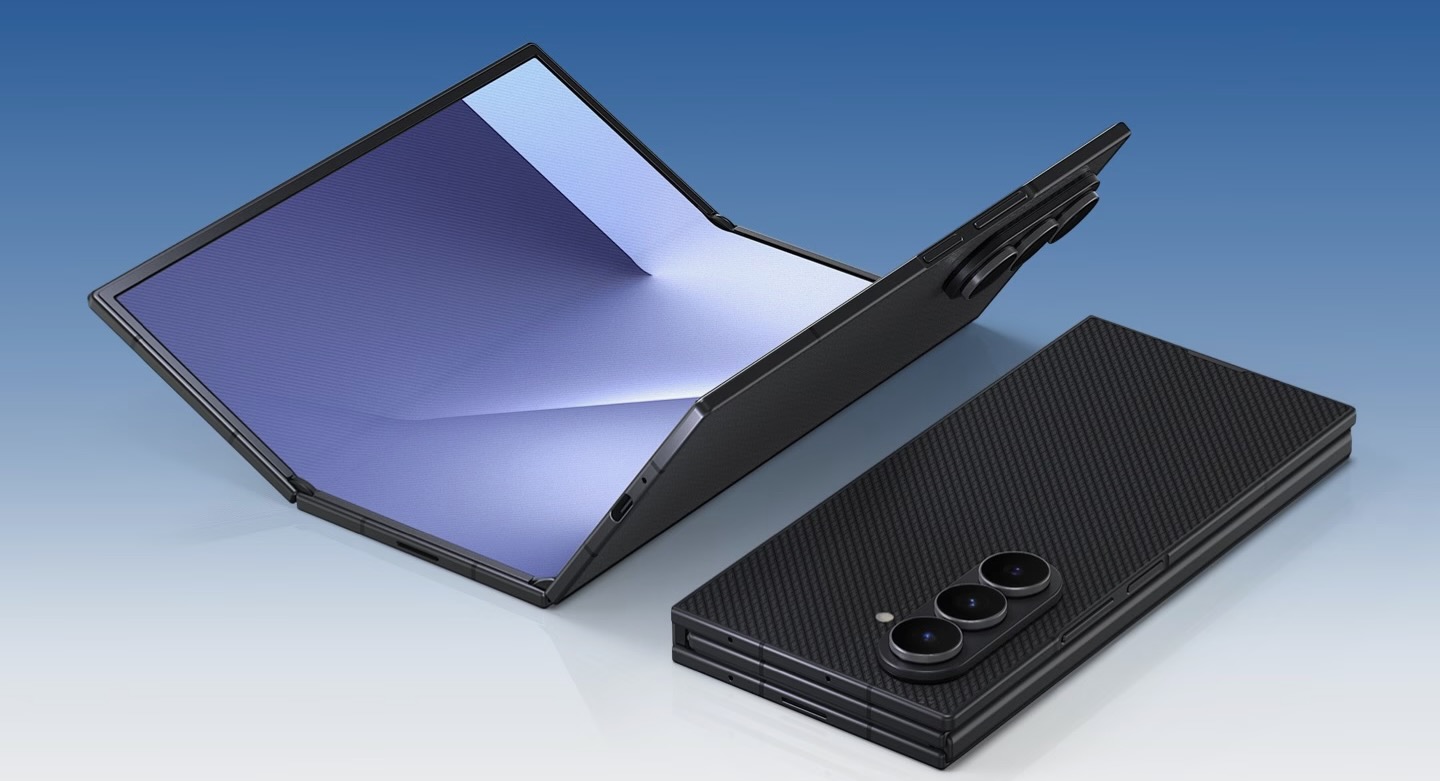


The Samsung Trifold smartphone is very likely to be released in Australia once the company can ramp up production and keep up with demand, according to Samsung head of Southeast Asia and Oceania, CU Kim.
Mr Kim was speaking at a roundtable attended by journalists from Southeast Asia and Australia (including myself) after the launch of the Samsung Galaxy S26 series in San Francisco.
Also in attendance was TM Roh, CEO, President and Head of Device eXperience (DX) Division at Samsung Electronics – he shared his thoughts about the future of AI glasses.
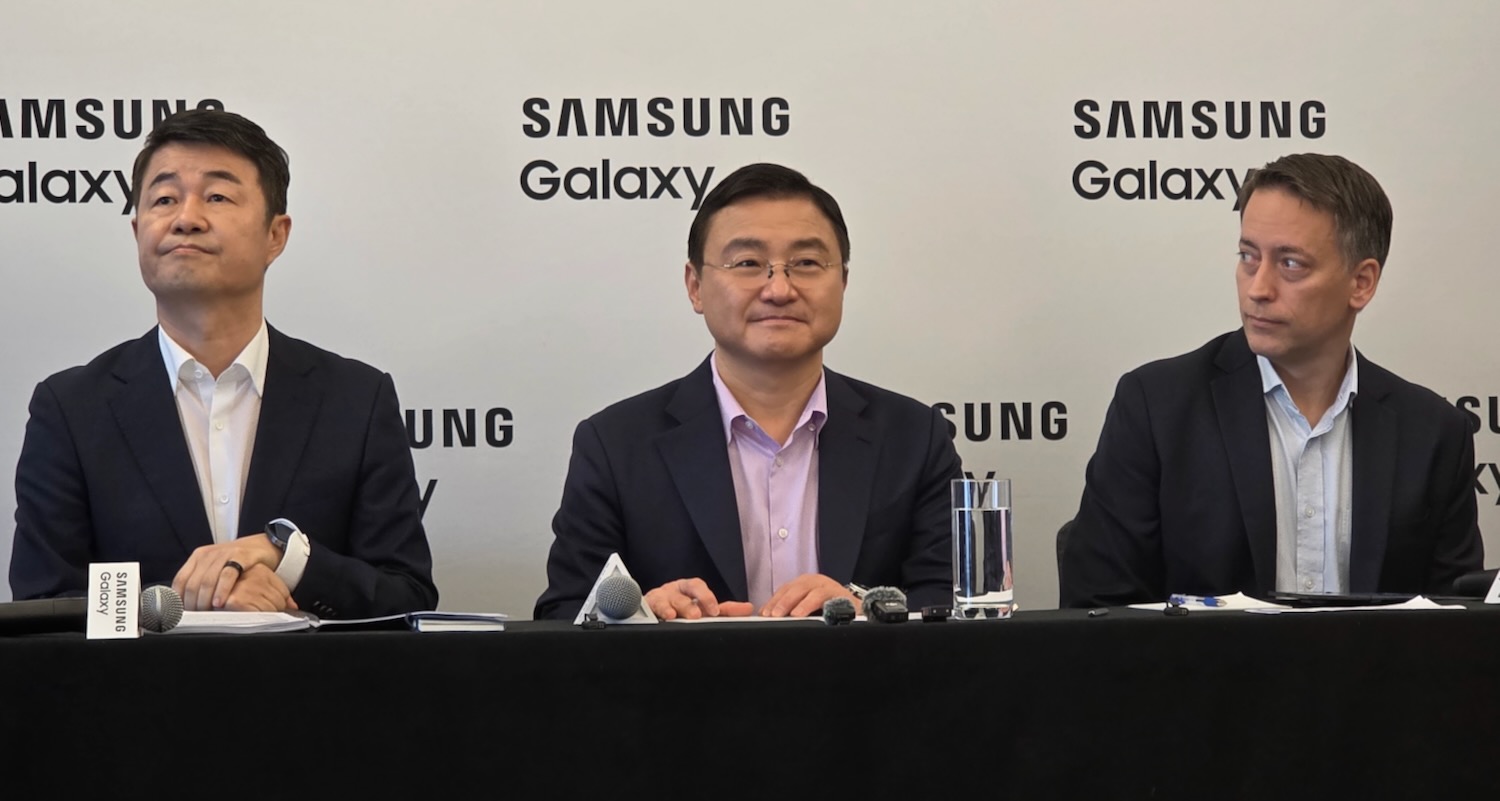
After the formal roundtable was complete, Tech Guide approached Mr Kim to ask him if Samsung’s recently released Trifold smartphone would ever be released in Australia.
Mr Kim and Mr Roh both mentioned Southeast Asia and Oceania were highly regarded by Samsung.
I asked Mr Kim that if he sees our region as being valued by Samsung does that mean the releasing a Trifold smartphone in those regions would be a priority?
“It is already available in Singapore (part of Southeast Asia),” Mr Kim told Tech Guide.
It was also released in Korea, the UAE in late 2025 and the US in early 2026.
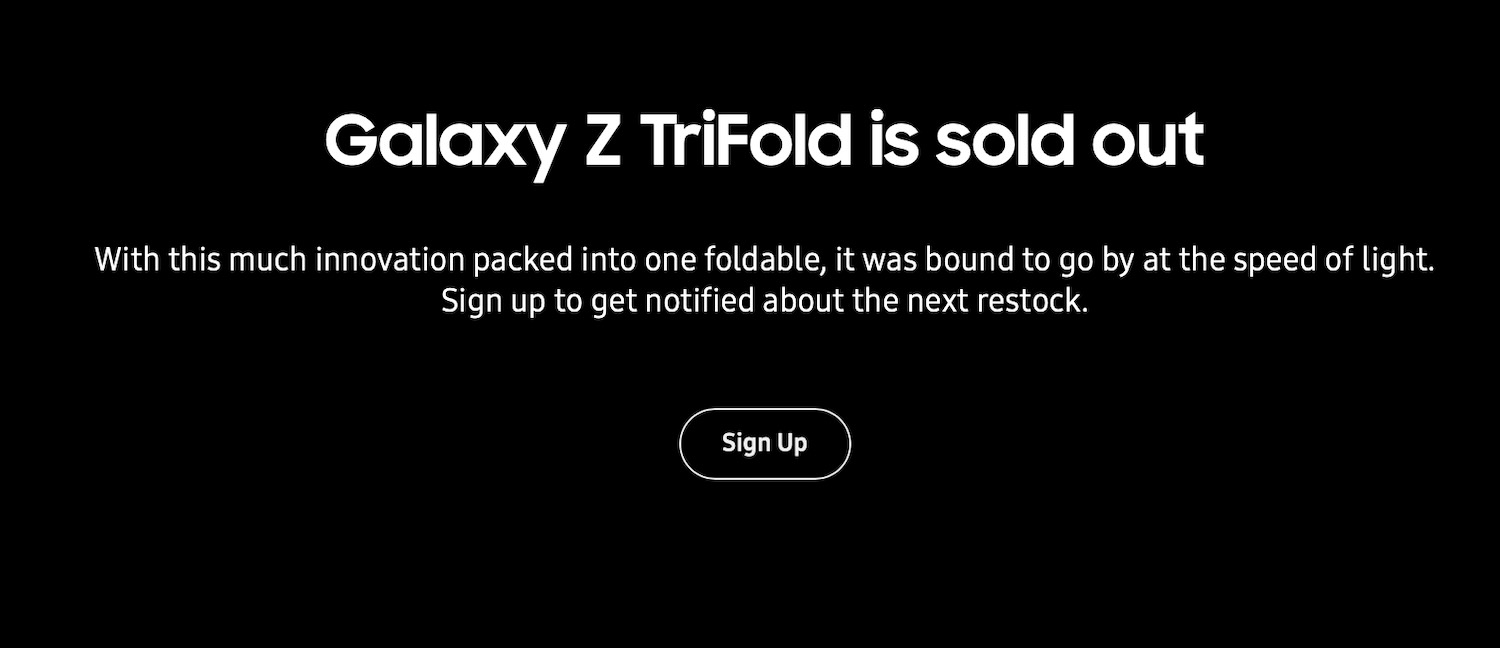
“But once stock arrives it is gone in one day,” he said.
Mr Kim said once production could be increased efficiently then Samsung would definitely consider having Australia on the list of Trifold recipients.
In the US, the Samsung Trifold is priced at $US2,899. In comparison, the just announced Samsung Galaxy S26 Ultra with 1TB storage is $US1,899.
At the current $USD to $AUD exchange range – the Samsung Galaxy Z Trifold ($US2,899) would cost $A4,085 in Australia.
TM Roh was also asked, given Samsung’s investment in AR and VR technology and its leadership position in AI on its mobile devices, about when he could envisage all the AI technology, connectivity and display being self-contained in a pair of Samsung smartglasses.
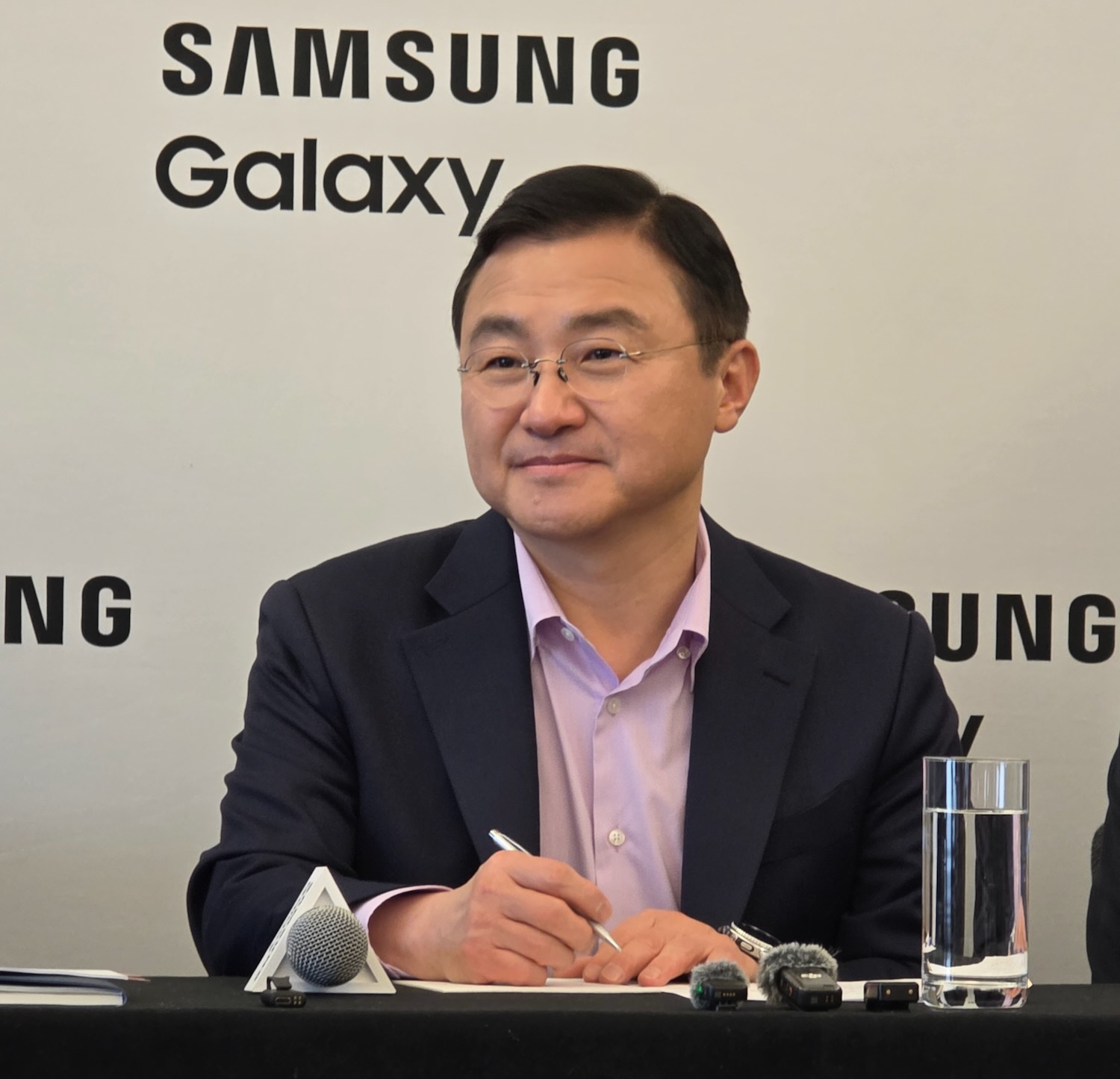
“AI technology is developing very fast almost on a daily basis and what ordinary consumers have with them all the time are mobile devices,” Mr Roh said.
“They are also becoming more and more important as the interface for the AI technology.
“For the agentic AI, we also see that it is being used not on the PC but on what is very portable like mobile devices that you can have on you all the time.
“To make sure that we can provide the best agentic AI experience what we need is the kind of device that would have the most mobile scenarios and can also have the most data.”
Mr Roh said Samsung will continue to develop the user experience with the mobile agentic AI and continue to provide the best services.
“We also need to have better environmental sensing capability.
“We are also seeing AI glasses and AI dedicated devices continue to develop.
“But what I believe is that these AI dedicated devices or AI glasses will develop around the mobile device for the best computing power.”
* Stephen Fenech travelled to San Francisco as a guest of Samsung
